
Research That Extends Beyond the Breeding Plot
MVP Genetics believes a new turfgrass variety should be evaluated beyond appearance alone. Performance under drought, cold, traffic, management inputs, and varying environments helps determine whether a promising grass can deliver consistent results in real-world applications. Our approach combines breeding, independent evaluation, university research, farm trials, and end-user experience to support the development of better turfgrass genetics.
IronCutter® Management Research
Researchers at the University of Georgia evaluated JSC 2-21-18, marketed as IronCutter®, to better understand its response to commonly used postemergence herbicides and plant growth regulators.
Several postemergence herbicide treatments produced turfgrass color, quality, and normalized difference vegetation index results comparable to the non-treated check. Other treatments produced temporary reductions in performance, demonstrating the value of cultivar-specific management research.
Plant growth regulator testing also demonstrated measurable differences in IronCutter response. Prohexadione calcium produced greater improvements in turfgrass color, quality, and vegetation index than the non-treated check under the conditions evaluated, while also providing measurable growth regulation.
Cold Tolerance & Winter Survival
Cold tolerance becomes increasingly important as hybrid bermudagrass use expands farther into the transition zone. Published research identifies JSC 2-21-18, IronCutter®, among newer hybrid bermudagrass cultivars developed with improved cold tolerance compared with older industry standards.
Multi-year research conducted in Maryland and Virginia examined cultural practices that influence winter performance of interspecific hybrid bermudagrasses. The research evaluated fertility, mowing height, wetting agents, irrigation, and soil moisture before short-duration freezing events.
Results showed that sensible late-season nitrogen applications could help retain green coverage without increasing winter injury. Controlled freeze experiments also demonstrated a significant benefit from increased soil moisture immediately before a short-term freezing event.
Drought Performance & Genetic Selection
Water availability is one of the most significant challenges facing the turfgrass industry. Multi-university research has evaluated bermudagrass, St. Augustinegrass, seashore paspalum, and zoysiagrass breeding material under both drought and non-drought conditions.
Field trials conducted in Florida and Texas demonstrated meaningful genetic variability for turfgrass quality under drought in several warm-season species. The research also reinforced the importance of testing breeding material across multiple environments before selecting future cultivars.
This type of independent, multi-location evaluation supports the MVP Genetics philosophy of looking beyond a single test plot and considering how turfgrass genetics perform across different environments, management conditions, and geographic regions.
Research Across Multiple Environments
Great genetics should perform beyond a single research location. MVP Genetics utilizes university research, farm trials, producer locations, and real-world end-user environments to better understand how varieties perform across different regions and conditions.
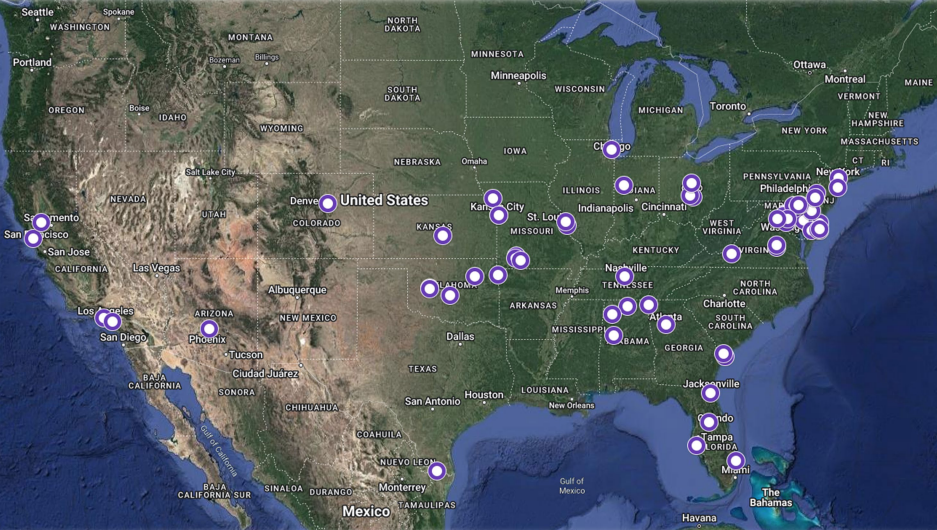
End User Locations
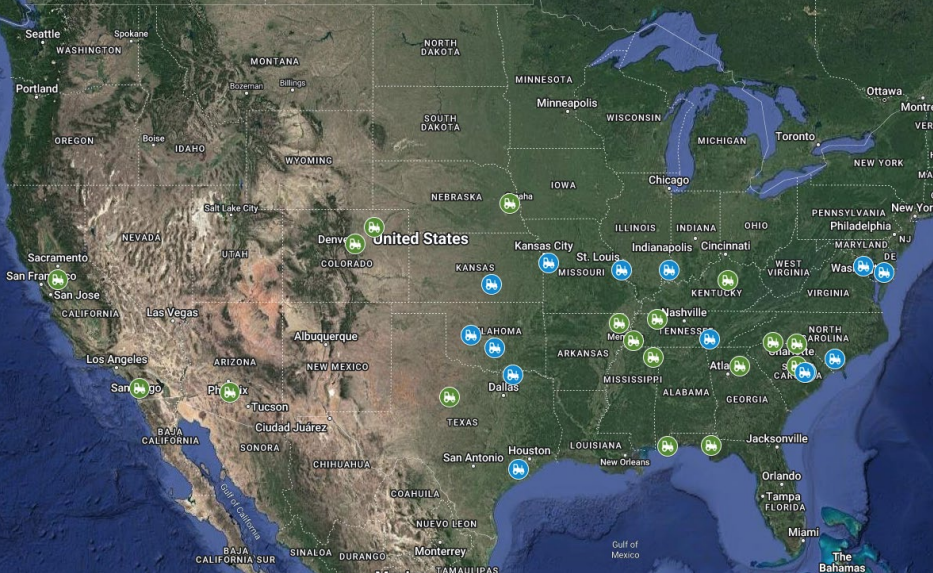
Farm Trials
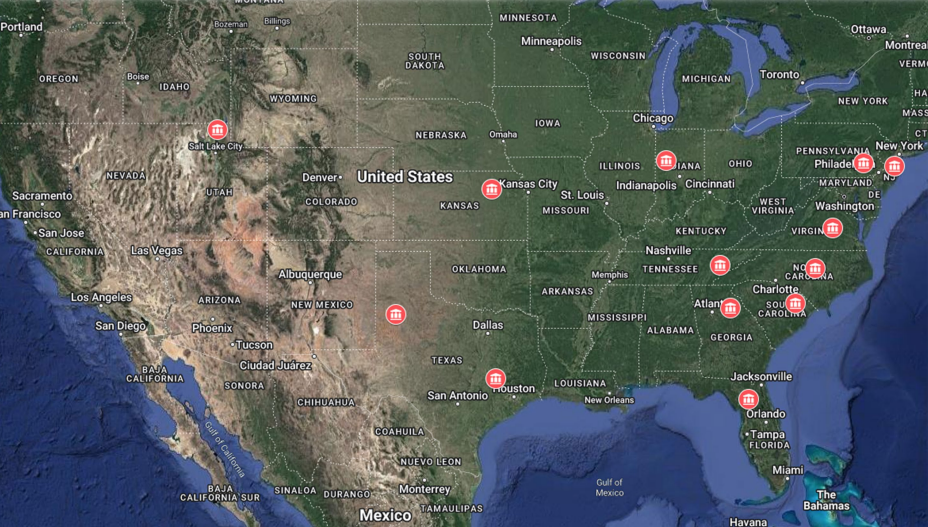
University Research
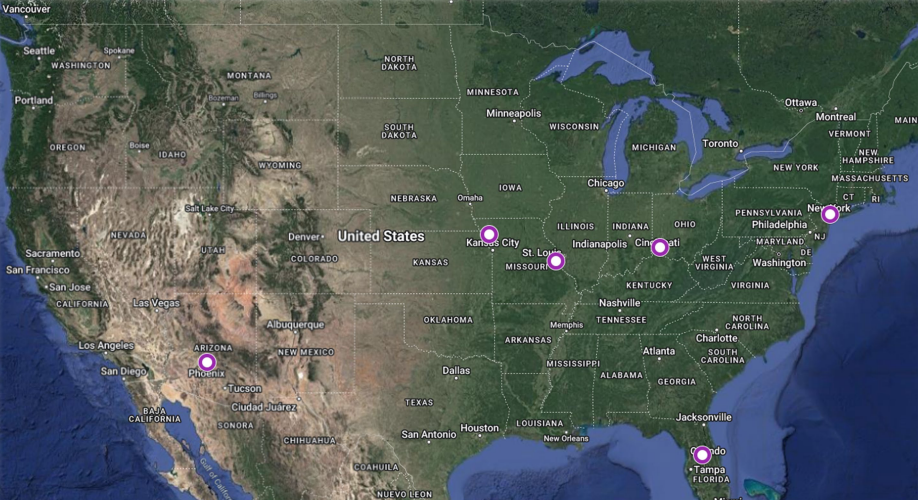
End User Locations
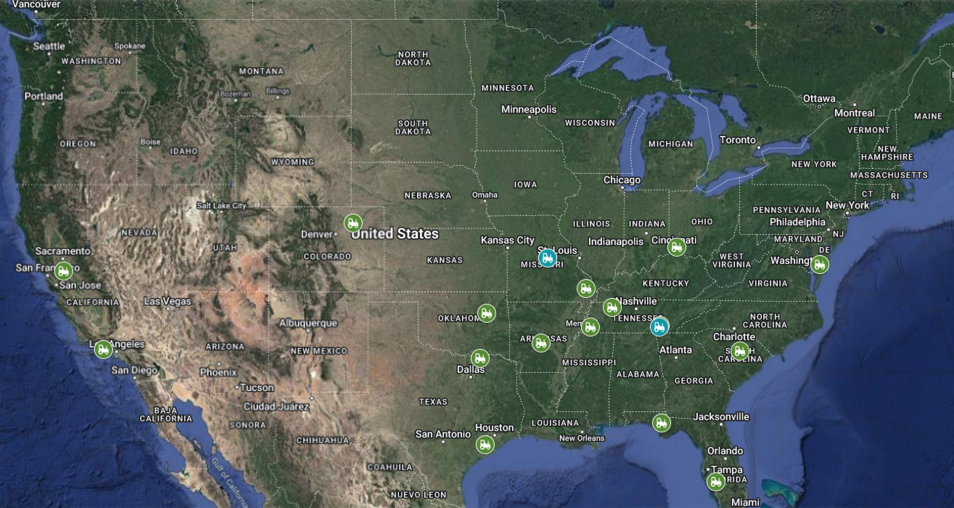
Producer Locations
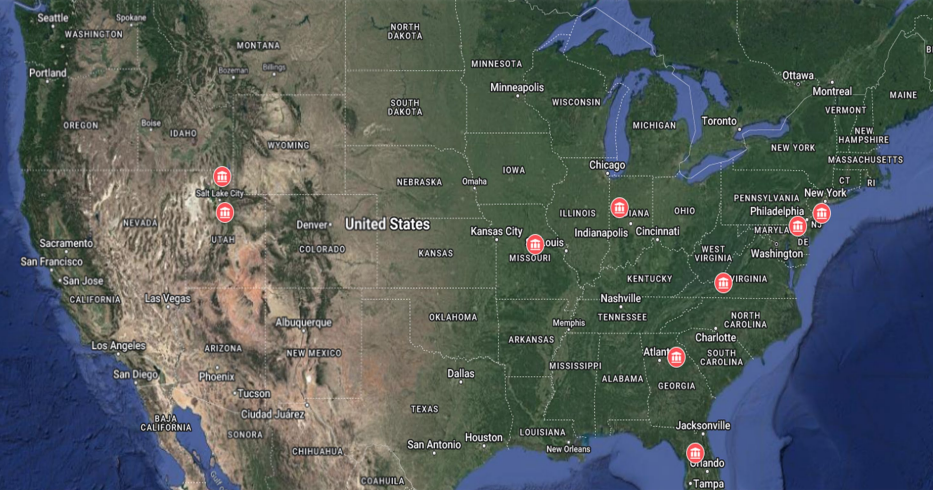
University Research
Published Research
Explore the independent and university research supporting our understanding of turfgrass performance, management, drought response, and winter survival.
Response of JSC 2-21-18 (Iron Cutter®) Hybrid Bermudagrass to Postemergence Herbicides and Plant Growth Regulators
International Turfgrass Society Research Journal · 2025
University of Georgia researchers evaluated IronCutter® response to commonly used turfgrass herbicides and plant growth regulators, including effects on turfgrass color, quality, vegetation index, and growth regulation.
View ResearchImproving Winter Survival of Interspecific Hybrid Bermudagrass in the Mid-Atlantic Region Through Cultural Practices
Crop, Forage & Turfgrass Management · 2024
Multi-location research examining fertility, mowing, irrigation, soil moisture, and other cultural practices associated with winter performance of cold-tolerant hybrid bermudagrasses.
View ResearchWarm-Season Turfgrass Species Genotype-by-Environment Interaction for Turfgrass Quality Under Drought
Journal of Agronomy and Crop Science · 2024
Multi-university research examining turfgrass quality and genetic variability under drought and non-drought conditions across four major warm-season turfgrass species.
View ResearchBreeding. Testing. Validation. Better Genetics.
MVP Genetics is committed to combining innovative turfgrass breeding with independent research and real-world evaluation. It is one more way we continue working toward better grasses, better performance, and better opportunities for our growers and partners.